Square Atom · Wedding photography & film
You’re engaged.
Let’s tell your story.
Beautiful wedding photographs begin with getting to know you. Our dedicated photography and film team travels from Atlanta to celebrations across the U.S. and abroad, helping you plan the moments, locations, and light that make the day feel like yours.
Start with a consultation. We’ll talk through photography, your plans, and the local connections that could help bring them together.
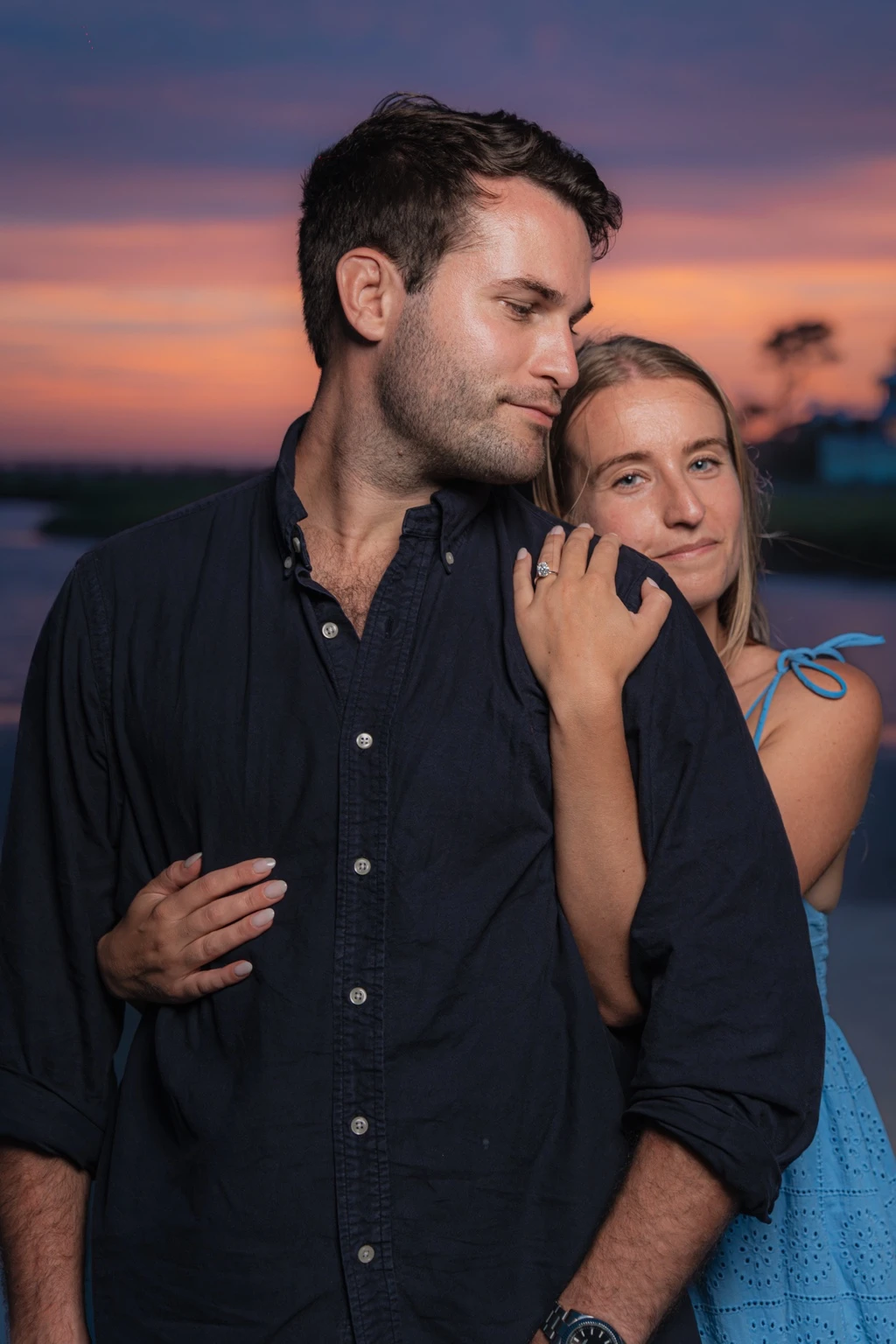
Your photographs. Your people. A team in your corner.
You do not need every detail settled before talking with us. If you have just got engaged and are wondering what to do next, we can start with the kind of wedding you want, the places you are considering, and what you most want to remember.
From engagement photographs to the wedding day, we help shape a photo timeline, talk through locations and travel, and suggest planners, venues, and creative partners based on where you are celebrating. Use this guide to begin, then bring your ideas to a wedding consultation with our team.
Chapter 01
The first 30 days: one step at a time.
Give yourselves a little time before the planning becomes a project. Then work through these decisions in order. A date and a comfortable budget do more for your next steps than a hundred saved inspiration posts.
0 of 8 steps complete
Saved on this deviceThis personal checklist stays in your browser. It is not sent to Square Atom. You can uncheck any item to start it again.
A wedding planning timeline you can adjust.
Use these as working windows, not deadlines every couple must follow. For a shorter engagement, work through the same priorities together and ask vendors what is realistic.
- 12–18 months out, if you have the time: settle the budget and guest estimate, explore venues, and check your priority photographer, filmmaker, and planner against possible dates.
- 6–12 months out: confirm the wider vendor team, arrange attire and lodging, and schedule engagement photographs around when you need the finished images.
- 3–6 months out: refine the ceremony, menu, transport, rentals, and invitations. Review payment dates and remaining decisions.
- The final 1–2 months: confirm guest numbers, the family-photo list, vendor access, the rain plan, and a shared timeline. Assign someone to handle questions on the day.
Have the conversation before the venue tour.
Ask each other: How do we want the day to feel? Who do we most want beside us? What would we happily skip? What would we regret missing? Agree on the feeling first; the details will have a clearer direction.
Chapter 02
Find your kind of wedding.
A beautiful wedding can be two people on a coastline, a dinner with your closest friends, or a weekend full of family and tradition. Guest counts below are simply planning shorthand. There is no official size you have to fit.
| Celebration | Working guest range | Think about |
|---|---|---|
| Elopement | Just you two to about 10 | Privacy, location access, meaningful portraits, and whether loved ones join in person or celebrate later. |
| Micro wedding | About 10–50 | A shared meal, personal details, and spending real time with each guest. Small does not automatically mean inexpensive. |
| Mid-size wedding | About 50–150 | Venue flow, catering, family photographs, and enough time for both traditions and the party. |
| Large or multi-day celebration | Often 150+, or several events | Separate timelines, transport, vendor coordination, attire changes, and coverage across locations. Multi-day events can also be intimate. |
Write the guest list before trusting the estimate.
Count names together, including immediate family, wedding-party partners, children, and the people contributing to the celebration. Decide how invitations will work before extending informal promises. A venue that fits 100 standing guests may not fit 100 seated guests with a dance floor.
Build around what feels like you.
Picture the atmosphere: a garden lunch, a candlelit restaurant, a mountain overlook, a city rooftop, or a ballroom full of movement. Choose a few words—warm, energetic, intimate, elegant, playful—and use them to evaluate decisions. You can honor family traditions without including every trend.
Chapter 03
How much does a wedding cost? Start with your priorities.
Choose a total you are comfortable committing to before you build a wish list around prices. Confirm who is contributing, when funds are available, and who has a say in decisions. Keep estimated costs, signed totals, amounts paid, and remaining due dates in one shared place.
A reference point, not a requirement.
The Knot’s 2026 Real Weddings Study reports a U.S. average of $34,200 for weddings held in 2025, based on 10,474 couples. This survey figure is context, not a quote for your wedding. Read the source ↗
For another perspective, Zola’s 2026 First Look Report puts the average expected wedding cost at $36,000 among its surveyed couples marrying in 2026. These are different groups and time periods, so the figures do not measure a year-over-year increase. Local quotes, your guest count, and what you include matter more to your own plan.
What different budgets can make possible
These are broad starting scenarios, not package prices or promises. Location, guest count, service level, and what is included can change the picture completely.
- Under $10,000: Explore an elopement, courthouse celebration, restaurant gathering, or intimate wedding with a focused vendor team. Keep a close eye on rental and food minimums.
- $10,000–$25,000: Prioritize a manageable guest list and a venue with useful inclusions. Compare simpler menus, fewer locations, and deliberate décor choices.
- $25,000–$45,000: There may be more room for coordination, photography and film, fuller hospitality, and design—but the guest count still has to fit the plan.
- $45,000 and above: Large guest lists, multiple events, premium locations, and complex production can all use this budget. A larger total is not a reason to stop tracking scope.
A plan you can come back to
Your wedding budget tracker.
Add your own estimates, then update them as quotes become contracts. A blank forecast uses your planned amount; enter 0 to mark a category you are skipping. Include taxes and fees. Deposits are part of the amount paid, not an extra cost.
The starting 10% reserve is an editable planning example. It stays outside your category forecasts so you can see what remains available.
- Forecast total
- —
- Already paid
- $0.00
- Still to pay*
- —
- Reserve
- —
- Available after reserve
- —
On smaller screens, scroll across the table to enter payments and see balances.
| Category | Planned | Latest forecast / signed | Paid to date | Still to pay |
|---|---|---|---|---|
| Venue & rentals | — | |||
| Food & drinks | — | |||
| Photography | — | |||
| Videography | — | |||
| Planner / coordinator | — | |||
| Flowers & décor | — | |||
| Attire & beauty | — | |||
| Music / entertainment | — | |||
| Stationery & details | — | |||
| Transport / lodging | — | |||
| Permits / officiant | — | |||
| Rings | — | |||
| Honeymoon | — | |||
| Welcome / extra events | — | |||
| Other 1 | — | |||
| Other 2 | — |
16 categories need an estimate or 0 before your budget is complete.
*Still to pay includes only categories with an estimate. A negative category balance flags a possible overpayment. This tracker does not set payment deadlines; use the spreadsheet below for installments and due dates.
Your entries save in this browser on this device. They are not sent to Square Atom or synced with the downloadable spreadsheet. Export before clearing browser data or switching devices.
The costs that hide between the headline prices
- Venue and catering: service charges, taxes, staffing, bartending, cake cutting, rentals, and minimum spends.
- Time and access: early entry, overtime, setup, breakdown, parking, delivery, and cleanup.
- Outdoor comfort: a real rain plan, tents where permitted, flooring, lighting, heating or cooling, and restrooms.
- Personal details: alterations, accessories, hair and makeup trials, vendor meals, and transport between locations.
- Travel and extra events: lodging, welcome dinners, brunches, and any guest expenses you plan to cover.
Ask for itemized estimates using the same guest count and hours. One venue may include tables, chairs, and staffing while another quotes only the space. Do not add those inclusions twice—or assume they are free.
Make savings specific.
A smaller guest list can reduce per-person spending, but it does not reduce every fixed fee. For example, 25 fewer guests at an assumed $100 per person for food and drinks would reduce that line by $2,500, before minimums, taxes, or fees. Ask vendors to price the alternatives you are actually considering.
Chapter 04
Love the venue. Understand the logistics.
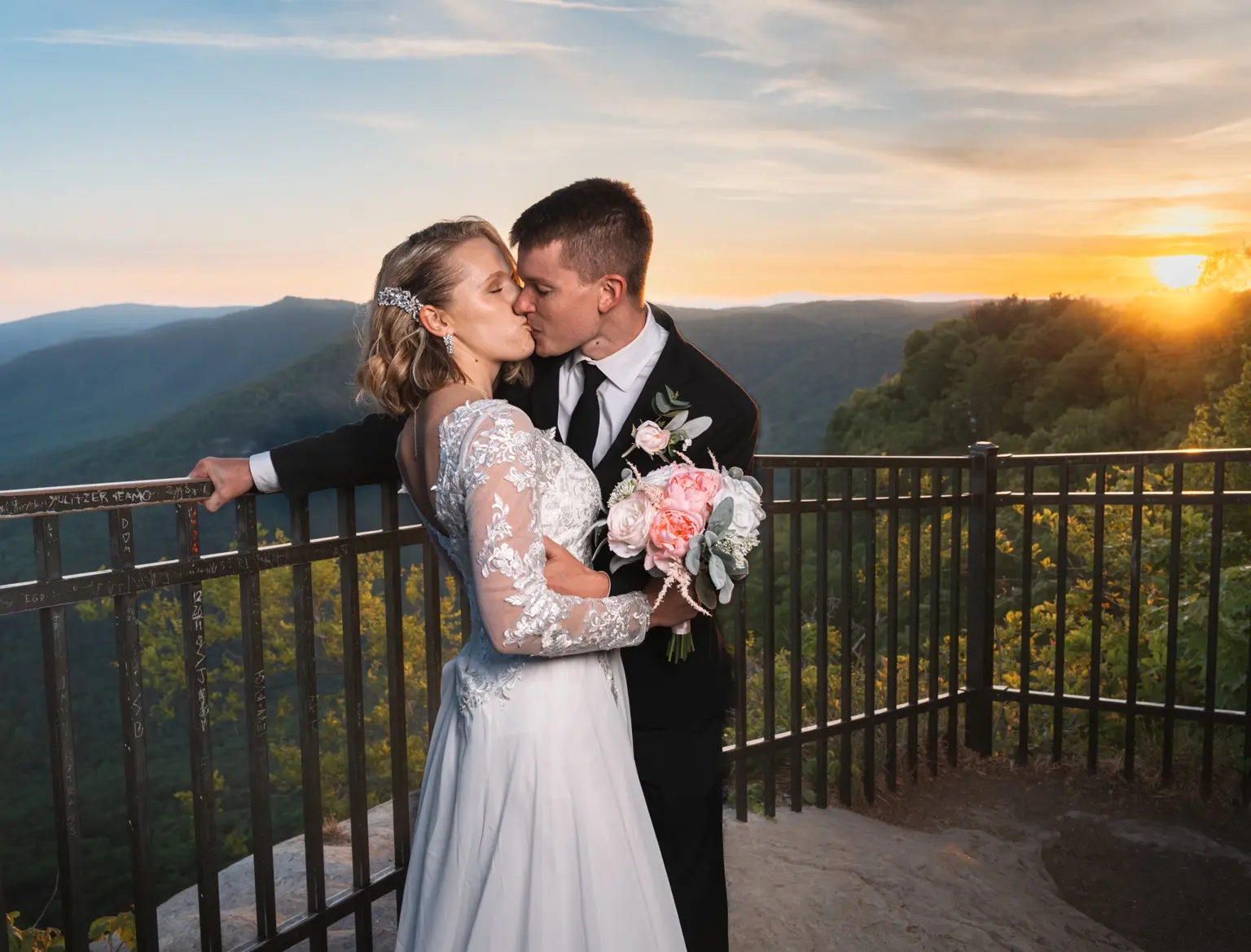
Your venue shapes the guest experience, photographs, timeline, and many other costs. Tour with your expected guest count and the season in mind. If possible, see the ceremony and portrait spaces at a similar time of day to your plans.
Space & experience
- What is the seated capacity with our actual layout?
- Where do guests wait, park, eat, and dance?
- Are the ceremony, bathrooms, and portrait locations accessible for our guests?
- Is there a private, comfortable getting-ready space?
Weather & light
- Can we see the backup ceremony space fully set up?
- Who decides on a weather change, and by what deadline?
- Where is shade at our ceremony time?
- What lighting or sound restrictions affect photography and film?
Time & costs
- When can vendors arrive, and when must everyone leave?
- Are there noise limits, overtime charges, or required vendors?
- Exactly which furniture, rentals, staffing, and cleanup are included?
- What payments and written terms apply if plans change?
If the ceremony and reception are in separate places, account for loading vehicles, traffic, parking, walking, and gathering people again. The drive time on a map is only one part of the move.
Chapter 05
Choose your wedding photographer—and the team around you.
Once you have a workable budget, guest estimate, and date options, check the availability of your priority vendors. If a particular photographer or planner is essential to you, ask before signing for a date. Shorter engagements can work too; flexibility helps.
Know which planning help you need.
- Full-service planner: ask about help with budget, venue selection, vendor sourcing, design, logistics, and event management.
- Partial planner: useful when some decisions are made but you need support with the remaining pieces.
- Coordinator: helps execute the plans you have made. Ask when they take over communication and how much preparation is included.
- Venue coordinator: ask which responsibilities belong to the venue and which parts of the wider wedding someone else needs to manage.
Job titles are only a starting point. Compare the actual scope, hours, communication, and responsibilities in each proposal. Assign one person other than the couple to handle vendor questions during the celebration.
Looking for a wedding photographer? Start with complete stories.
Ask to see a complete wedding gallery or film from a celebration with similar conditions. Look at indoor work, ceremony moments, family portraits, and the reception after dark. Notice whether you connect with the way people are photographed, not just the location.
- Who will be on the team, and how does the company handle associates?
- How many coverage hours, locations, and events are included?
- What photos, films, audio, albums, or other deliverables are listed?
- What are the delivery window, revision process, and backup approach?
- When would a second photographer or videographer genuinely help?
For film, talk about vows, speeches, and ceremony sound early. Portrait time, microphone setup, and access to the sound system need a place in the plan. Confirm any aerial coverage separately; it depends on the location, conditions, and agreed service.
Make a short list from complete portfolio stories, referrals, and work made in conditions similar to your venue. Compare the written coverage and delivery terms alongside the style. If you love dramatic sunset portraits, ask how the team works when the sky is bright, the venue is dark, or the weather changes.
Your location helps us make better introductions.
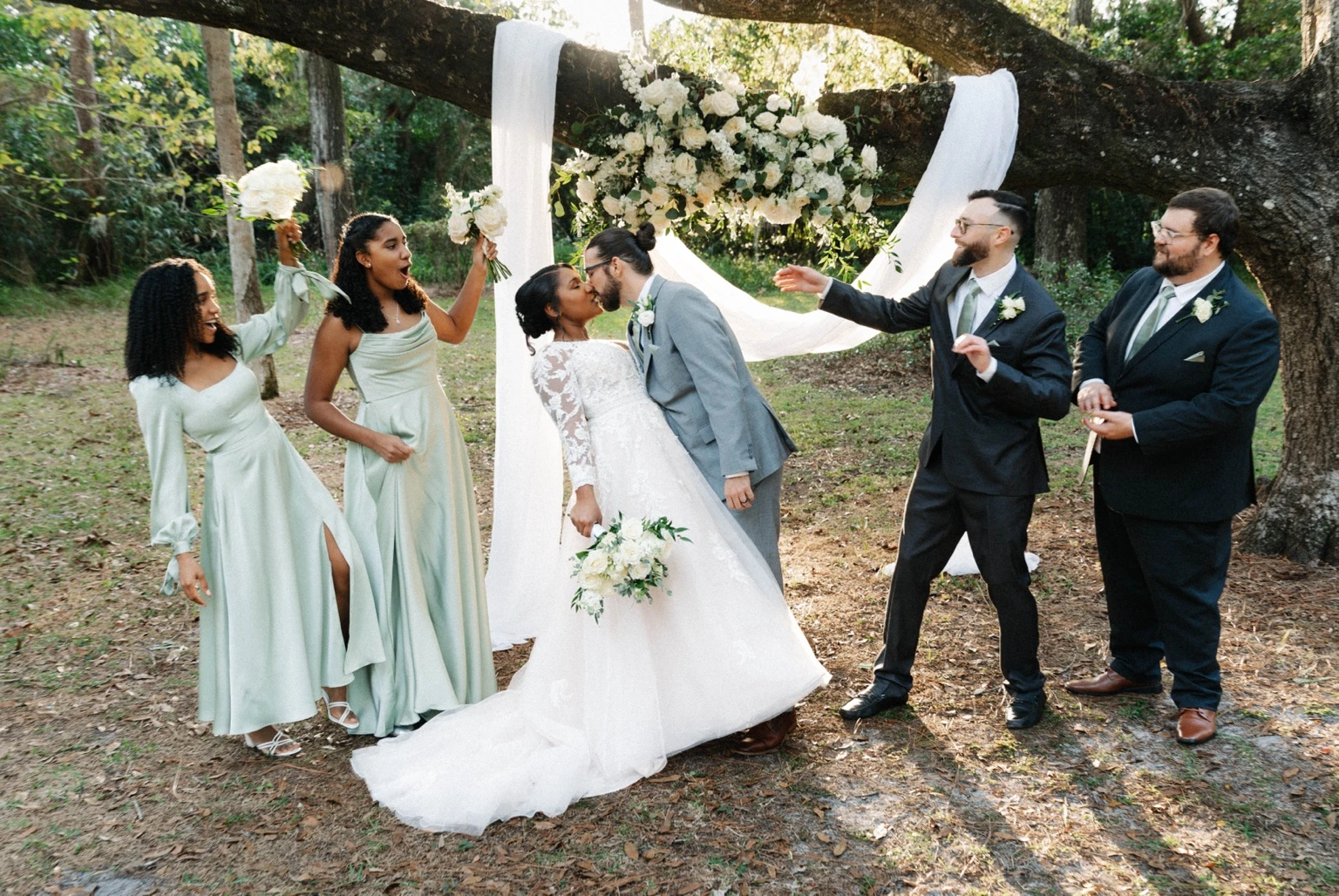
Tell us your city or destination, season, guest count, style, and budget range. During your wedding consultation, we can discuss photography alongside venue ideas, planners, and other creative partners who may suit the celebration. Where we have local connections, we can help with introductions; for a new destination, we can help you work out what to look for and which questions to ask.
We coordinate the photo and film plan with your chosen vendors so the light, travel, portraits, and important moments have a place in the day. Confirm each vendor’s availability and services directly.
Inquire about your wedding ↗Chapter 06
Let your engagement session feel like you.
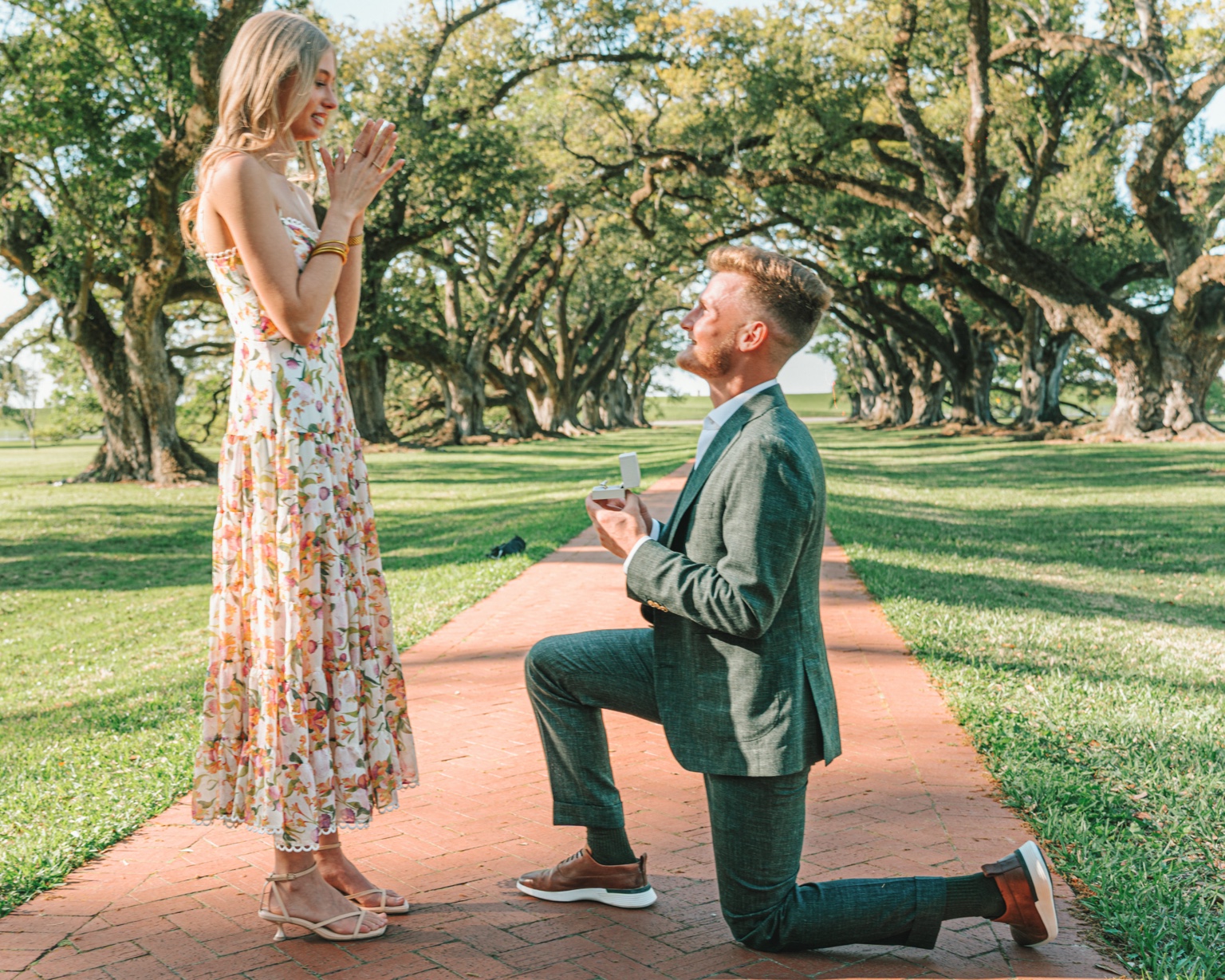
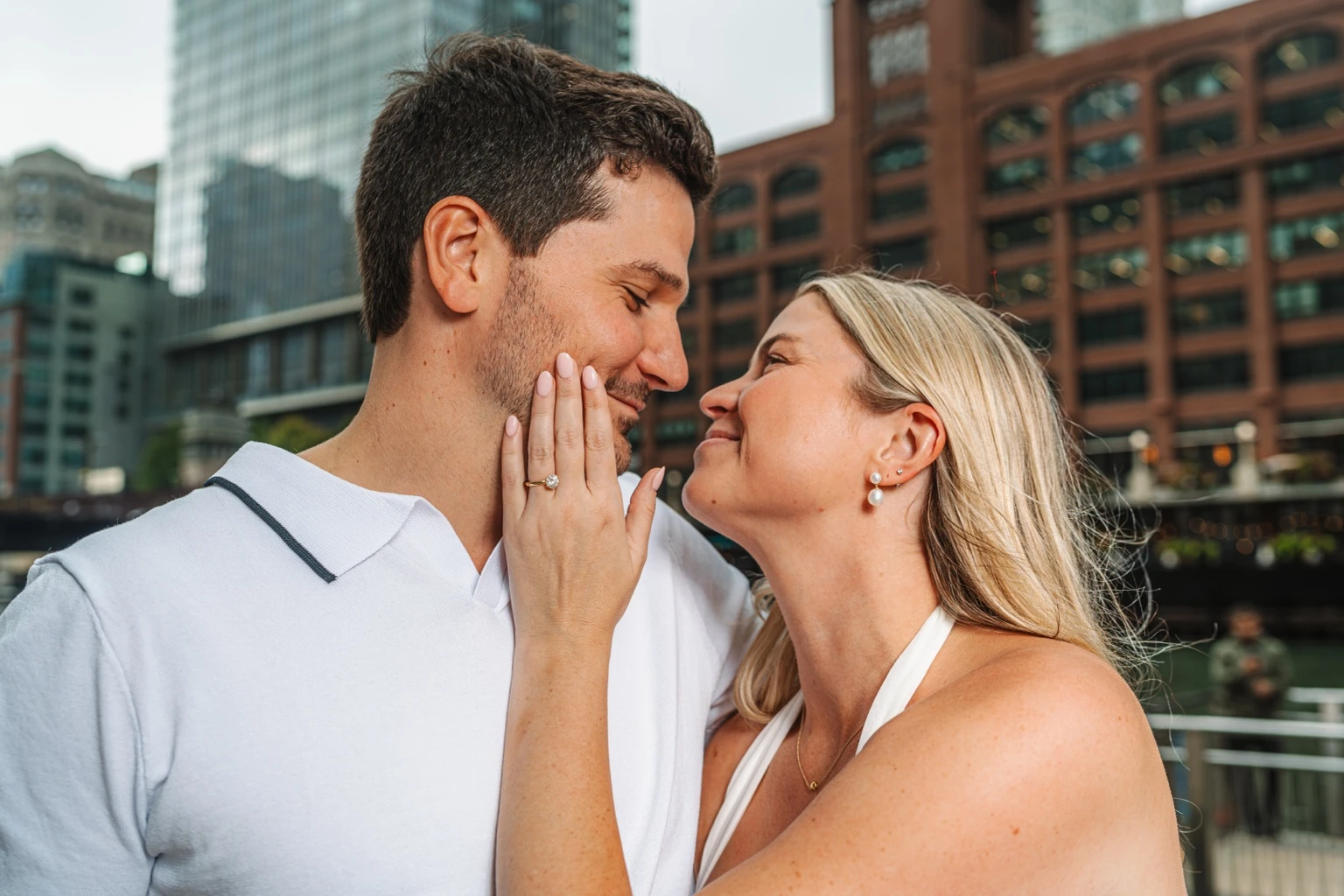
Your proposal photographs hold the surprise. An engagement session gives you time to settle in, choose a setting together, and get comfortable being photographed before the wedding. It can also give you images for announcements, your wedding website, or printed details.
Pick a place with a reason.
Think about architecture you love, a favorite neighborhood, somewhere you spend time together, or a landscape you want to experience. A city walk, shoreline, garden, ranch, or mountain setting can all work. We plan around access, walking distance, privacy, and the light.
Wear something you can move and relax in.
Coordinate the formality and overall colors without feeling you have to match. Try the clothes on together, sit down, walk, and see how they move. If you want two looks, choose a clear difference and allow changing time. Comfortable walking shoes between portrait spots are useful.
Share a few references for the feeling you like and tell us about anything that affects your comfort. If you are nervous in front of the camera, say so. Thoughtful direction, movement, and a little time together can help the session feel natural.
Chapter 07
Give the wedding day room to breathe.
Start with ceremony time, venue access, sunset, travel, and the reception’s fixed events. Work with your planner and photo team to place portraits around those anchors. A schedule without breathing room can make small delays feel much bigger.
A sample eight-hour photography day
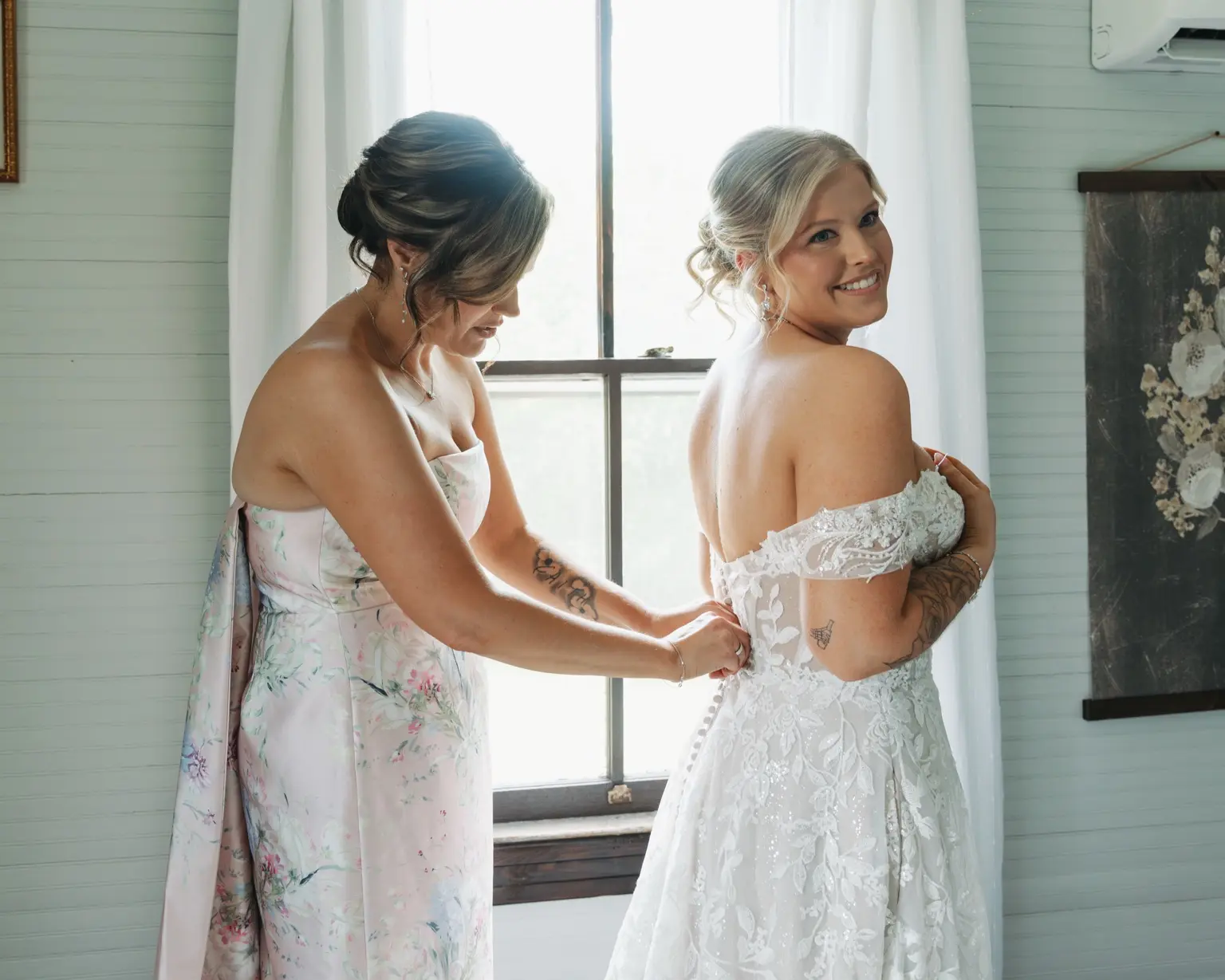
This example assumes one venue, a 4:30 p.m. ceremony, a first look, and daylight that suits the portrait plan. It is not a universal schedule. Adjust it for the season, traditions, coverage, and how you want to spend time with guests.
- Details & getting readyClothing, rings, meaningful objects, finishing touches, and the people helping you prepare.
- First look & couple portraitsA private moment together, followed by portraits while there is breathing room.
- Wedding party & immediate familyUse a short list with names and have someone who knows the family help gather groups.
- Freshen up & get tucked awayA buffer to drink water, adjust attire, and let guests arrive.
- CeremonyAllow the actual duration of your ceremony and any traditions you want included.
- Remaining family groups & cocktail hourFinish essential portraits, then enjoy your people.
- Dinner, toasts & the partyCoordinate reception events with your coverage end time. Add a short sunset portrait break if the light and season allow.
- Photography coverage endsIf you want the actual late-night exit photographed, discuss more hours or a later start.
Prefer to see each other at the ceremony?
That can work beautifully. Move couple and combined family portraits afterward, and allow enough cocktail-hour time for them. For an evening ceremony, talk through how much daylight remains. Your photographer can help you understand the options without choosing the experience for you.
Put the important people and moments in writing.
Give the team a concise family-photo list with names, any sensitive family dynamics, mobility needs, and traditions that should not be missed. Explain the timing and significance of those moments in the questionnaire and final call. A list of real priorities is more useful than trying to recreate every image on an inspiration board.
Chapter 08
Destination wedding planning, with the details in place.
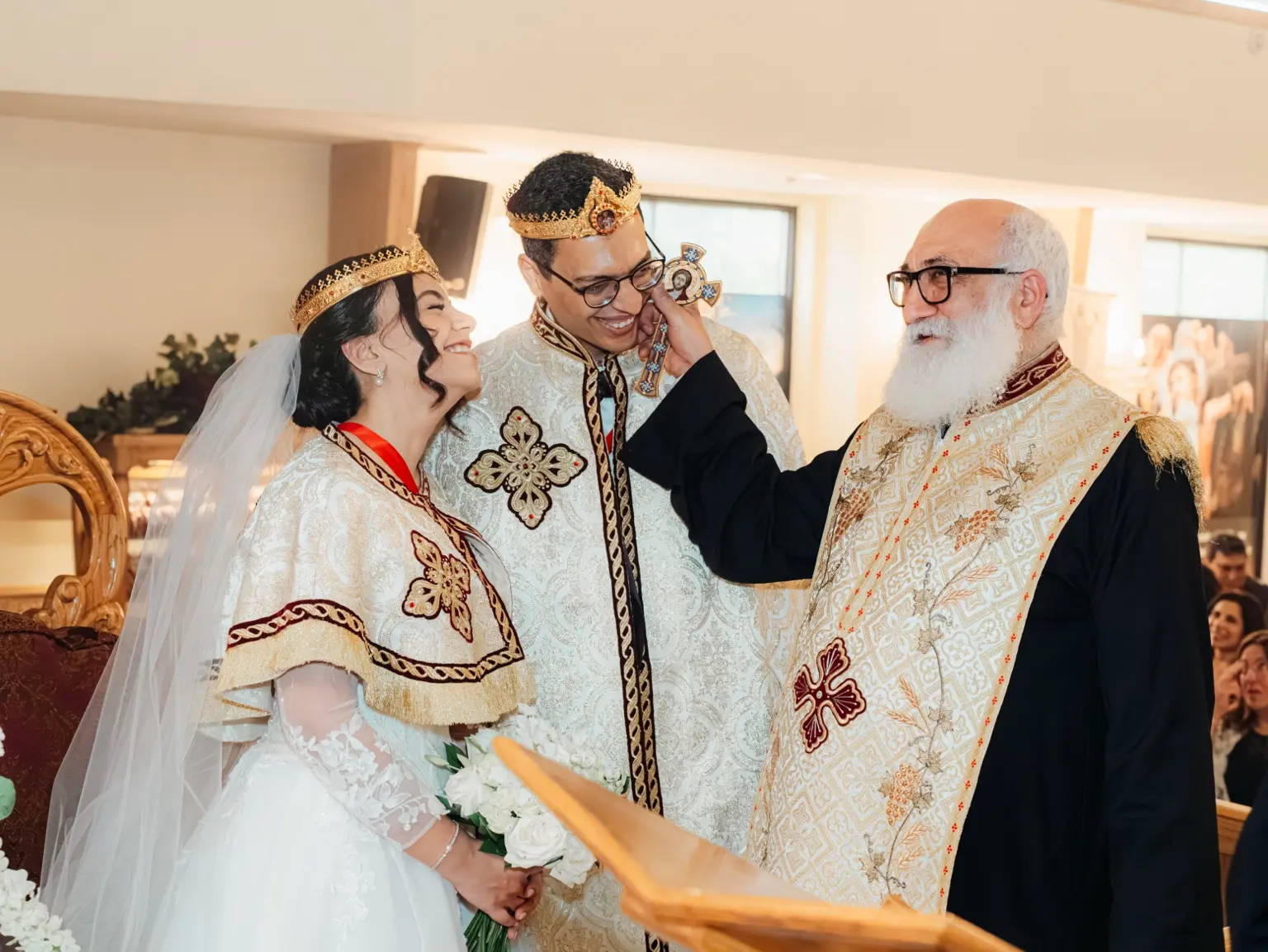
Square Atom is based in Atlanta and photographs stories across the Southeast, Midwest, and beyond. A destination celebration can be intimate, adventurous, or a full wedding weekend. A smaller guest list may change costs, but travel does not automatically make a wedding less expensive.
For a hometown wedding
Think through guest hotels, parking, transport, and where everyone gets ready. Nearby does not always mean simple: moving a wedding party across a city takes time. One well-chosen venue can make the day easier to enjoy.
For an out-of-state celebration
Ask for a clear travel estimate for your team and compare it alongside the coverage. Look at the full itinerary: arrival, scouting where needed, the rehearsal or welcome event, the wedding day, and departure. Confirm how weather or transport changes will be handled in the agreed plan.
For an international or outdoor destination
Check current entry requirements, local ceremony requirements, venue access, photography permissions, and any location restrictions with the relevant authorities and venue. Decide whether you want a legal ceremony there or a symbolic celebration following a separate legal ceremony. Requirements vary, so confirm them for your exact destination.
For international plans, start with the U.S. Department of State’s marriage-abroad guidance, then confirm the rules with the destination’s authorities. For a national-park ceremony, review the park’s own permit page; Yosemite’s wedding guidance shows why location access and ceremony permissions need early attention.
Plan the whole trip, not only the ceremony.
Confirm passports and entry rules, guest transport, accessibility, currency and payment schedules, and which events need photography or film. Leave arrival room for travel delays, confirm vendor permissions, and tell guests clearly which costs they cover. Avoid promising access or a particular location until it is confirmed.
Build a backup experience you would actually enjoy. Think about shelter, footwear, accessibility, the distance to facilities, and the comfort of the people joining you. The best plan gives you space to be present in the place you chose.
Chapter 09
Your photography team, involved from the beginning.
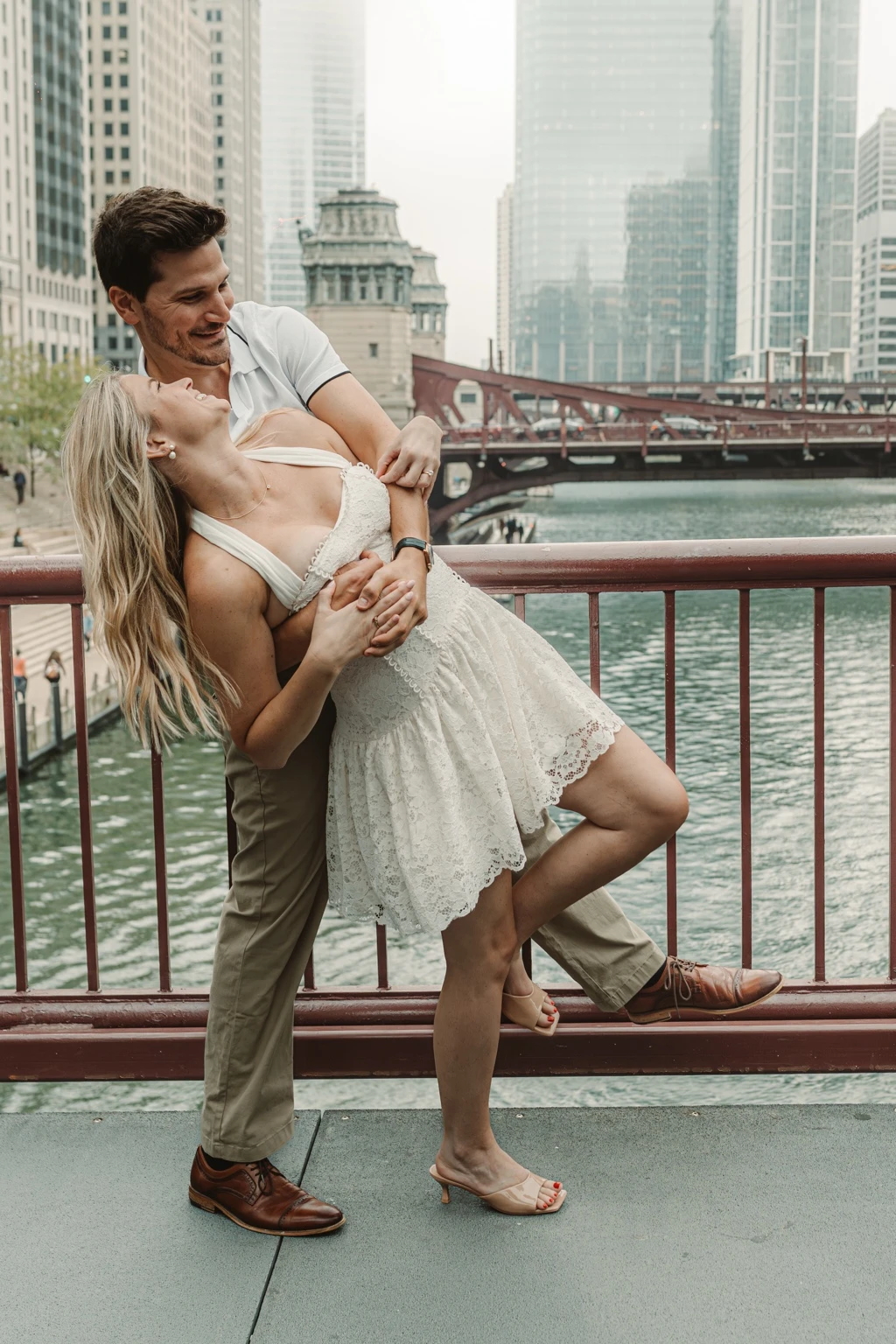
Our dedicated team creates cinematic, editorial wedding photographs and films with room for the unscripted moments. We get to know your priorities before the wedding, keep the conversation personal, and help connect the photography to the wider plan.
A team that gets to know you
Tell us how you want the day to feel, what helps you relax, and which people matter most. Your consultation, planning questionnaire, and final conversation help us prepare coverage around you.
We travel with the plan
From Atlanta and Florida to celebrations across the country and abroad, we travel for the story you want to tell. We discuss the destination, access, arrival plans, and photo locations alongside the coverage.
Connections for your celebration
Depending on your location and needs, we can suggest planners, venues, and other creative partners, and make introductions where available. We work alongside your planner to keep the photo and film plan connected to the rest of the day.
Coverage with a clear purpose
We talk through your events, locations, priorities, and deliverables so the photo and film coverage fits the day. Elopements, larger weddings, and multi-day celebrations can need different plans.
A timeline that considers photographs
We help identify light, portrait locations, travel time, and key moments alongside your planner. Your planning questionnaire and final conversation give the team the details needed to prepare.
An investment you can understand
Wedding photography currently starts at $2,400, and photo + film at $4,200. Final pricing depends on coverage, location, team, and deliverables. Your written proposal spells out what is included.
Payment options to discuss
Ask about up to eight scheduled payments or a 10% paid-in-full option. Eligibility, the retainer, due dates, and any discount are confirmed in your written proposal; they are not automatically applied.
Booking early gives us more time to plan and may allow payments to be spread over a longer period. Your date is reserved once the agreement is signed and the required retainer is paid. The agreed scope and pricing are documented in your booking; additional services or changes are quoted separately.
Chapter 10
Let’s talk about your wedding.
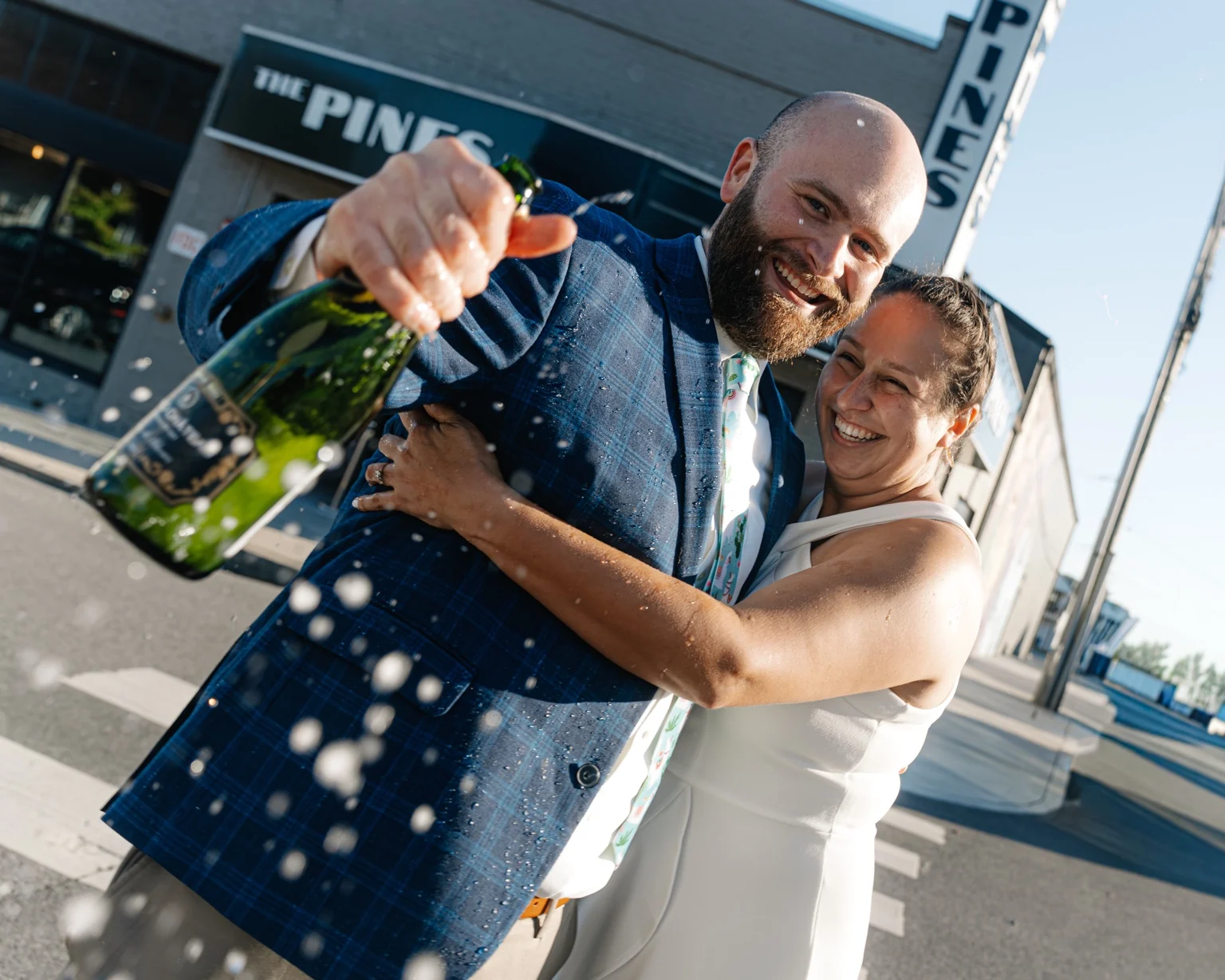
A consultation is a chance to get to know each other and see how our photography team fits your plans. Tell us where you are celebrating, what you are excited about, and what you would like help figuring out.
Your wedding photography consultation
Start with your story. We’ll help with the next steps.
Inquire about photography, film, or both, and let us know you would like a consultation. Together, we can talk through:
- Your photographs: the feeling you love, the people who matter, and the moments you want to keep.
- Your location: your venue or destination ideas, travel plans, and places that could work for portraits.
- Your planning: coverage hours, the photo timeline, engagement photographs, and how the day can flow.
- Your team: planner, venue, and vendor referrals suited to your location, style, and needs, where available.
- Your next step: availability, a coverage proposal, and a clear path toward booking with Square Atom.
In the inquiry, select “Yes — send me a consultation link” or mention a wedding consultation in your message. Still gathering ideas? Tell us that, too. We’ll start with where you are.
A few questions you might still have
We just got engaged. What should we do first?
Enjoy the moment, tell your closest people, and agree on your three priorities. Then work on a comfortable budget, a first guest list, and a few possible dates before committing to a venue.
How do we set a realistic wedding budget?
Start with funds you can comfortably commit and confirmed contributions. Compare itemized quotes for the same guest count and coverage, include taxes and fees, and keep a reserve for changes. National averages are context; your own quotes determine your plan.
How early should we book a wedding photographer?
Check availability when you have a season, venue shortlist, and budget. If a particular photographer is a priority, compare their dates with the venue before signing. Popular dates can book early, while shorter engagements need more flexibility.
Will the budget tracker save our numbers?
It saves in this browser on this device when browser storage is available. Use Export my budget for a CSV copy, or download the Excel tracker for installments and due dates. The browser tracker and spreadsheet do not sync.
Do we need a date before contacting you?
No. Share your season, location, and date options. We can discuss possibilities and availability; a specific date and completed booking requirements are needed to reserve coverage.
Can we book photography and film together?
Yes. We can discuss either service or a combined collection. Your proposal will list the team, hours, deliverables, travel, and any selected additions.
Can we have a beautiful wedding with a smaller budget?
Yes. Start with a manageable guest count and your most meaningful priorities. Compare real quotes for a few different formats, and make deliberate choices about where your money goes.
Do you help with planners and venue ideas?
Yes. Tell us where you are celebrating and what you need during your wedding consultation. We can discuss location ideas and referrals, make introductions where available, and coordinate your photo timeline with the team you choose. Full wedding planning and event coordination are handled by your planner unless separately included in an agreement.
When should we schedule engagement photographs?
Work backward from when you need the finished photographs, then allow time for editing and any printing. Ask us about the delivery window before choosing a session date for save-the-dates or invitations.
A note on the numbers
The 2025 wedding-cost benchmark comes from The Knot’s 2026 Real Weddings Study of 10,474 U.S. couples married in 2025. The 2026 expected-cost figure comes from Zola’s 2026 First Look Report of more than 11,500 couples marrying in 2026. They describe different cohorts. Wedding-size ranges, the editable reserve, budget scenarios, and timelines are planning examples, not vendor quotes or study findings. All photographs are from the Square Atom portfolio. Guide updated October 15, 2026.
Back to the beginning ↑Square Atom · Wedding photography, film & a team beside you
Your wedding.
Let’s be part of it.
Wherever you celebrate, our dedicated team brings thoughtful photography, a personal connection, and planning support around the moments that matter. Let’s talk about your date, your destination, and how we can help—from your photo timeline to the right local introductions.
Inquire about your wedding ↗Start a wedding consultation with Square Atom.
See the stories we’ve photographed ↗